How to Get Your Kiosks into National Retail Chains
Three documented paths to place kiosks in national retail chains, and what to walk in with.

I'm the COO of GOBEAR. We help entrepreneurs, mall operators, 3C mobile stores, event venues, and campus retailers tap into high-margin, low-maintenance vending models.
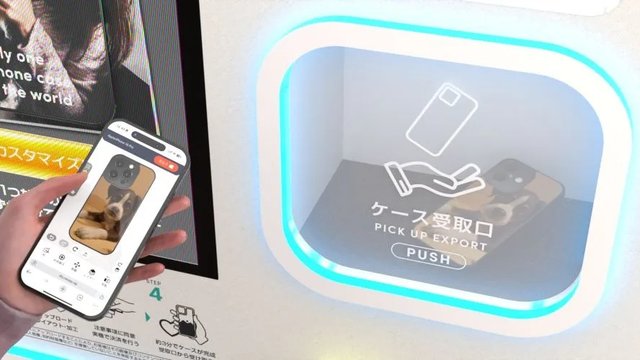
Airports offer potential locations for phone case kiosks, but the exact site matters. Terminal access, product demand, pricing and service arrangements all affect the decision. Three deployments from our case studies illustrate different options: MyCaseLabo’s case printing kiosk at Tokyo Haneda Terminal 3, FilmLabo’s screen protector machine at Kansai Terminal 2, and CASED’s kiosks at Kuala Lumpur’s klia2.
GOBEAR features these brands in its customer case studies, covering both phone case printing and automatic screen protector application. The examples below distinguish reported deployment details from considerations for operators planning an airport installation.
If you only have two minutes, here is the short version:
The three deployments: a custom case kiosk at Haneda T3 (international terminal), a screen-film kiosk at Kansai T2 (low-cost-carrier terminal), and case-plus-film kiosks at klia2; run by three operators, one of them twice.
Prices hold at airports: ¥2,980 (~$20) in Tokyo and RM50 (~$11) in Kuala Lumpur, the same as each operator's city locations. Nobody discounts for captive traffic.
Terminal matching matters: the same Japanese parent company runs a premium case machine at the international flagship and a functional film machine at the LCC terminal.
Partnership beats bidding: Haneda T3 was entered "in partnership with Vision Inc." (an established airport retailer) not won in a solo concession bid.
The souvenir angle is real: departure-lounge travelers printing trip memories, with CASED's Creator Program supplying local designs by revenue-sharing with Malaysian designers.
|
Airport |
Terminal profile |
Operator |
Machine |
Price |
|
Haneda T3, Tokyo |
international terminal |
MyCaseLabo |
custom case kiosk, MagSafe-ready |
from ¥2,980 (~$20) |
|
Kansai T2, Osaka |
low-cost-carrier terminal |
FilmLabo (sister brand) |
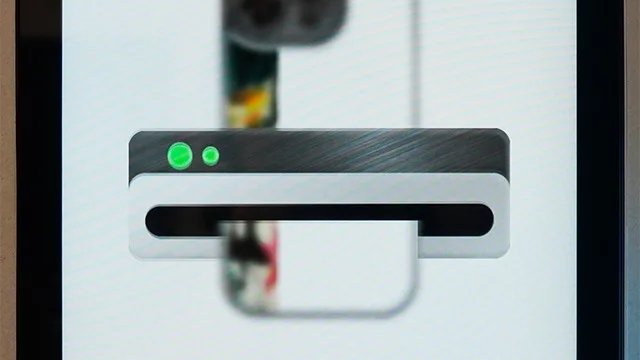
screen-film kiosk, 9H glass |
from ¥2,980 (~$20) |
|
klia2, Kuala Lumpur |
low-cost-carrier terminal |
CASED |
custom case + film kiosks |
cases from RM50 (~$11) |
MyCaseLabo and FilmLabo are associated with the same parent company, but provide different services. Their airport examples are useful for comparing equipment categories, not for establishing airport profitability or the reasons behind each placement.
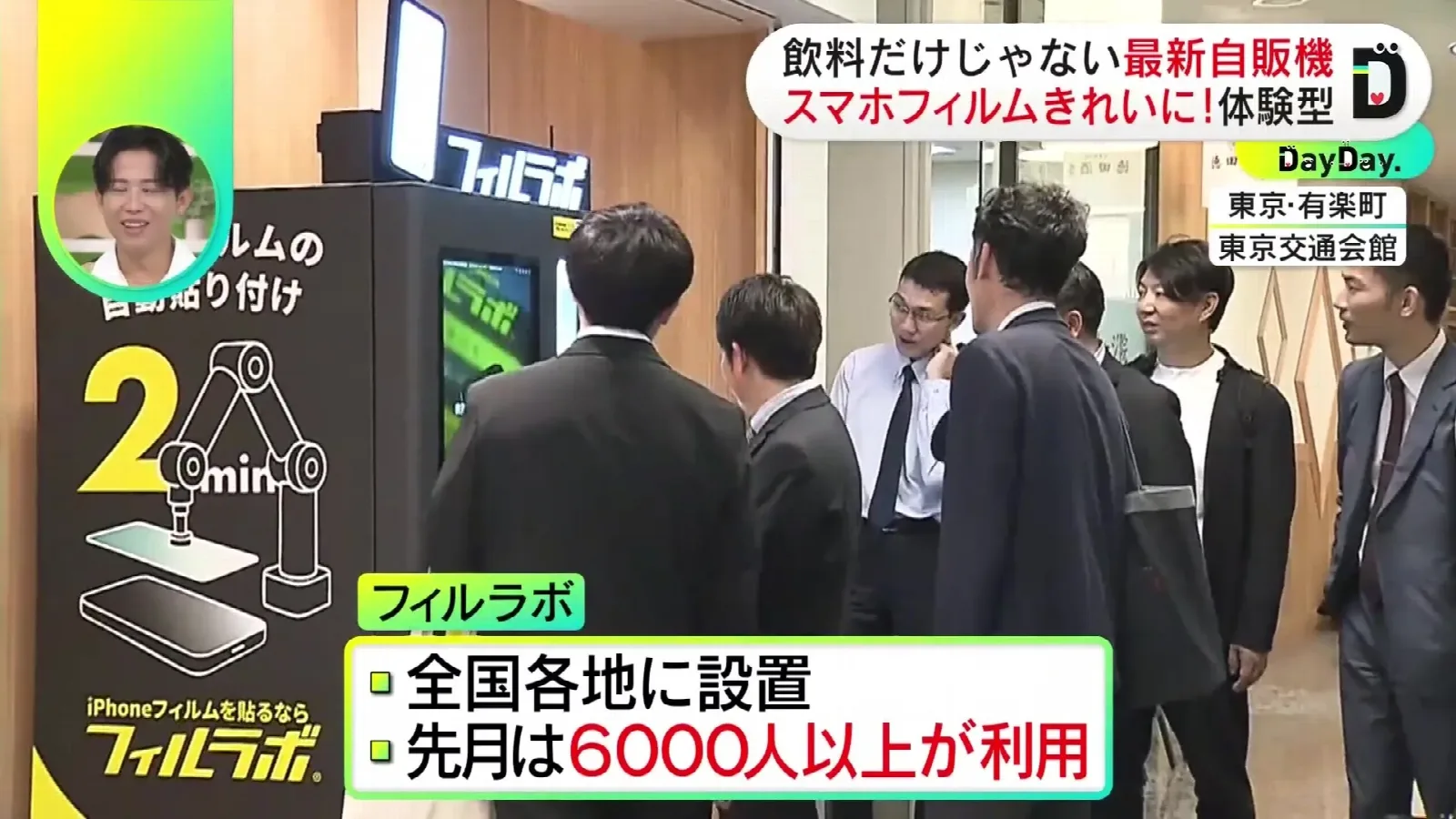
One disclosure first: at Kansai T2, the machine is FilmLabo's screen-protector kiosk, not a case machine. We include it anyway, because the contrast with Haneda is the most instructive data point in this article; the same parent company, with both products in its portfolio, placed a premium custom case machine at the international flagship terminal and a functional film machine at the low-cost-carrier terminal.
We can only report the pattern, not the internal reasoning. But the pattern reads cleanly. Haneda T3 serves long-haul international travelers in shopping mode; the expressive, souvenir-shaped product (a MagSafe-ready custom case for iPhone or Google Pixel, printed with your own photos) fits that mindset. Kansai T2 serves short-haul low-cost travelers with a functional problem; a 9H glass film applied in about two minutes fixes the phone they dropped backpacking. Different terminals, different traveler missions, different machines from the same shelf.
For an operator choosing a single airport machine, the lesson is to start from the terminal's traveler, not from the product you happen to like.
Across every operator in our case studies, airport pricing equals city pricing. MyCaseLabo and FilmLabo charge from ¥2,980 (~$20) at their airports; the same from-price as their city machines. CASED charges from RM50 (~$11) at klia2, the same as its nine Klang Valley mall kiosks.
Two readings follow. First, the obvious one: captive, high-dwell locations support full price, so nobody needs to discount to win foot traffic; a pattern we saw across the whole operator group in our cost and ROI analysis. Second, the less obvious one: none of these operators charges an airport surcharge either. The airport premium shows up in volume, not in price per unit.
For planning, our sales strategy guide estimates $2,500–$3,500 monthly revenue per machine in airports and transit hubs; the top band of any location type, and an estimate to model against your concession costs, not a promise. The global pricing context is in our benchmark of 8 markets.
Airport concessions are the highest-barrier retail channel there is: tender processes, concession fees, airside security rules. The entry path at Haneda T3 sidesteps the solo bid; MyCaseLabo operates the airport flagship "in partnership with Vision Inc. (Global WiFi)", an established airport player whose WiFi counters own exactly the footfall a kiosk wants: every international traveler picking up or returning a pocket router.
That is a template, not a one-off. If you want your case kiosk airside, the practical questions are: which existing airport retailer or service already owns your target traveler, and what does your machine add to their counter? A custom case kiosk needs no staff and fits beside a service desk; the partner contributes the location relationship, you contribute the machine.
klia2 shows the local-startup version of the same lesson: CASED, a Malaysian lifestyle-tech company, got its kiosks into nine flagship Klang Valley malls and klia2; and turned that placement record into local media coverage (SAYS and others), which in turn makes the next placement easier.
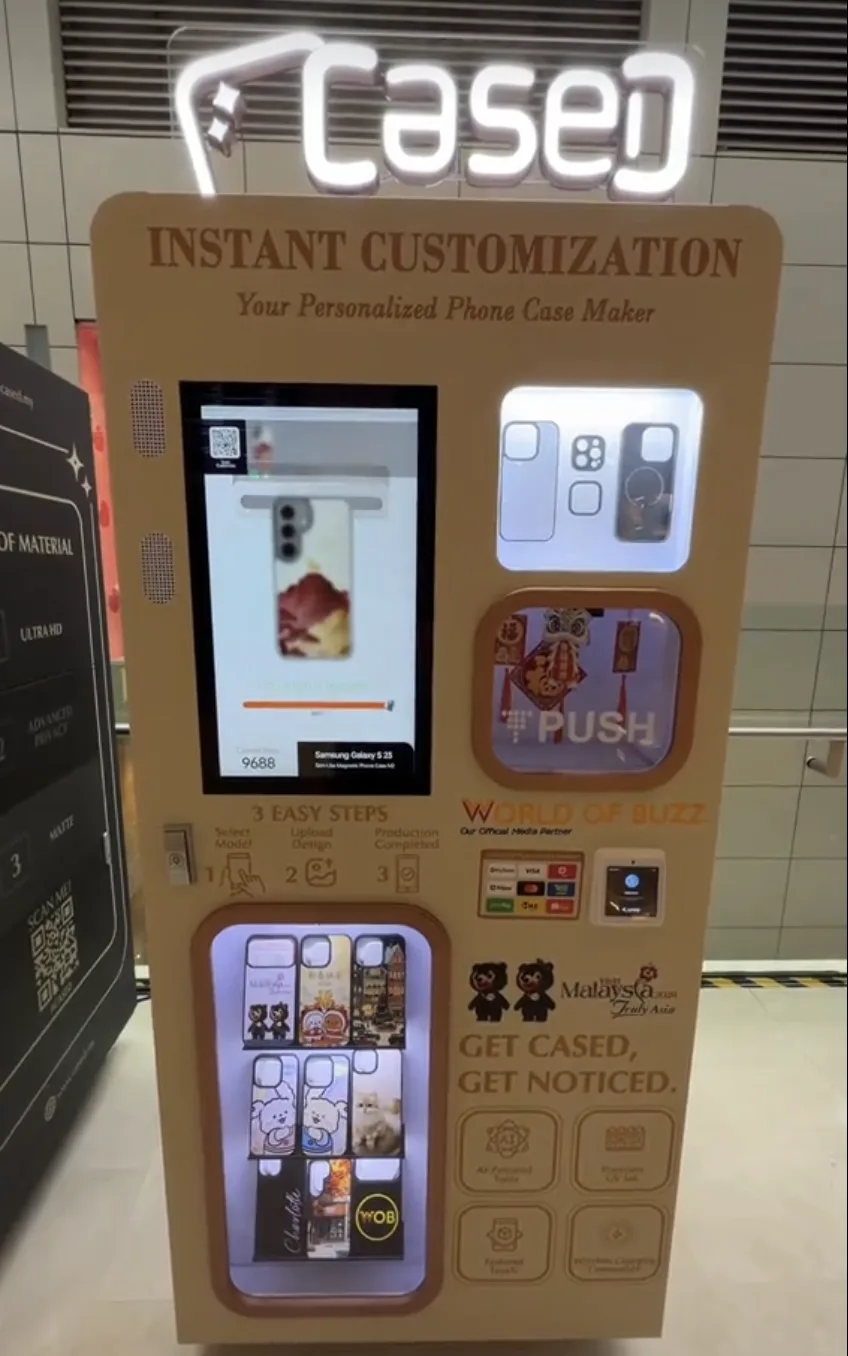
Travel photos can give a custom phone case a souvenir role. Where travelers have enough time, they can select a photo and collect a personalized case before continuing their journey.
CASED’s Creator Program also offers a way to feature local artwork. It shares revenue with participating designers. Where those designs are available and authorized for sale, travelers can choose a locally inspired case.
On-demand printing expands the design selection without stocking every image as a finished product. Compatible blank cases are still needed for each supported phone model. Our comparison of printing vs pre-loaded machines explains this distinction.
The printing model's one structural cost is the 2.5–5 minute print time, which needs locations where customers naturally linger. Airports are the only venue where that dwell time is not just available but mandatory: check-in buffers, gate waits, delayed flights. A case kiosk at a gate lounge asks for zero behavior change; the passenger was going to stare at their phone for forty minutes anyway.
Both LCC terminals in this article underline it: low-cost carriers concentrate passengers in gate areas for longer stretches, with simpler terminal retail to compete against. The machine that turns waiting time into retail theater (watching your own case print) is built for exactly this floor.
Which terminal? International flagship and low-cost terminals reward different products; the Haneda/Kansai split is your reference.
Who is your Vision Inc.? Name the existing airport partner whose counter and footfall you complement before you name your concession bid.
Case, film, or both? CASED runs both at klia2; the Japanese parent split them across terminals. Decide from the traveler, not the catalog.
What price will you hold? The answer is city parity; no surcharge, no discount. Build the concession fee into your volume model instead.
Is your design library travel-shaped? Photo-first templates and local designs (CASED's Creator model) convert dwell into souvenir purchases.
Can you restock airside? Airport stocking runs on security-cleared windows; ask the venue for the rules before you plan your refill cadence.
For an operator, the airport lesson is that the GOBEAR machine already fits the use case. A 2.5–5 minute print matches dwell time, the multi-language interface serves international travelers, and remote monitoring lets you run a terminal kiosk without staff on site. The kiosk does not need to be re-engineered for an airport; it needs the right partner and price.
They sit in the top revenue band of any location type; our sales strategy guide estimates $2,500–$3,500 per machine per month in airports and transit hubs. reported prices hold at city parity (¥2,980 in Tokyo, RM50 at klia2), so profitability depends on modeling your concession cost against that volume, not on charging more.
The reported pattern: international flagship terminals carry premium custom case machines (MyCaseLabo at Haneda T3), while low-cost-carrier terminals run functional products; FilmLabo's screen films at Kansai T2 and CASED's value-priced cases at klia2. Start from the terminal's traveler mission.
No. All three reported operators charge the same at their airports as in the city: from ¥2,980 (~$20) in Tokyo and Osaka, from RM50 (~$11) at klia2. Captive traffic supports full price, and none of these operators adds an airport surcharge.
All three configurations are reported: cases only at Haneda T3, films only at Kansai T2, both at klia2. The parent company running the two Japanese brands split its products across terminals by traveler type; CASED pairs both in one footprint at a low-cost terminal.
The reported routes: partner with an established airport retailer; MyCaseLabo entered Haneda T3 with Vision Inc.; or build a city placement record first and leverage local media traction, as CASED did from nine flagship malls into klia2.
Evaluating an airport location? Tell us the terminal and traveler profile, and we will model pricing and volume for it; and configure the machine, from the case studies playbook of all three airports above.
Share your business vision with us. Our automated retail experts will craft a tailored strategy and a comprehensive profitability report to unlock your next revenue stream.