Is Phone Case Printing Profitable in USA
Phone Case Printing Profitable USA: Discover high margins & rapid ROI for B2B ventures. Explore scalable operations and ...

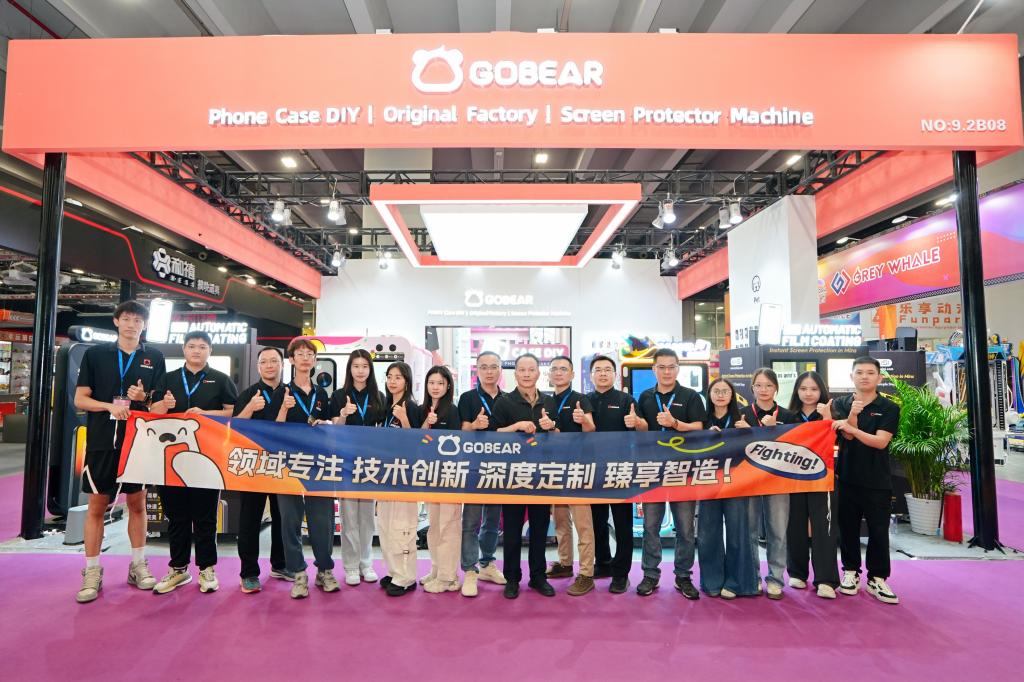
I'm the COO of GOBEAR. We help entrepreneurs, mall operators, 3C mobile stores, event venues, and campus retailers tap into high-margin, low-maintenance vending models.
Starting a phone case vending machine business in USA requires a precise location strategy to avoid a common failure point. An operator's initial $8,000 investment can quickly become a liability if the machine doesn't generate enough daily sales to cover its rent, tying up capital in an underperforming asset.
This analysis provides the operational and financial data to prevent that. We benchmark the revenue potential of prime locations like airports against low-traffic spots, showing how the right placement can net over $1,500 monthly and ensure you break even in under a year.
It's an automated retail business using kiosks in high-traffic spots to sell custom phone cases on demand. The model relies on high margins and minimal labor.
Operators place automated kiosks in locations with heavy foot traffic, like malls, airports, and university campuses. They typically arrange a deal to pay the venue a fixed monthly rent or a percentage of the revenue.
Customers use a touchscreen to either select a pre-made design or upload their own photos for a custom case. After choosing their phone model and paying, the machine prints the design directly onto a blank case and dispenses it in just a few minutes.
The business requires no on-site staff. The owner’s main responsibilities are restocking supplies like blank cases and ink, performing maintenance, and monitoring sales remotely.
The primary income stream is the direct sale of phone cases, which have very high profit margins. A case might sell for $10 while the cost of materials—the blank case and ink—is only around $2.50. This leaves a gross profit of $7.50 per unit.
Profitability is almost entirely dependent on the quality of the location. Consistent foot traffic from target demographics like shoppers and travelers is what drives sales volume. While the initial machine purchase is the biggest startup cost, ongoing expenses are low, consisting mainly of location fees and restocking materials.
The US is a prime target for phone case vending, driven by high consumer spending on accessories, massive profit margins, and a culture ready for automated retail.
The US market for phone cases is strong. Smartphone use is nearly universal, and consumers consistently spend money on accessories. The unit economics are just fantastic—a blank case costs around $2 to produce but retails for $15 to $30. You don't need a calculator to see how profitable that is.
There's also a huge appetite for personalized products. People love creating custom cases with school logos or vacation photos, and they get the finished product in minutes. This fits perfectly with the growth of automated retail. Vending machines thrive in the US because of high labor costs and the fact that nearly everyone pays with a card or phone.
The right location is everything. The best spots are where you find crowds with time to kill—think shopping malls, airports, and college campuses. These places are full of impulse buyers and people who just dropped their phone and need a case immediately. Tourist attractions and concert venues are also great, tapping into the demand for unique, location-specific souvenirs.
This business model succeeds in the US because it plugs directly into the existing culture of kiosk-based shopping and cashless payments. A machine's small footprint and zero on-site staff mean you can operate profitably in prime, high-rent spots where a traditional retail store would be a money pit.
| Register your business | Set up payment systems | Import or purchase equipment |
|---|---|---|
|
|
|
Profitable locations have high, captive traffic with a clear buying trigger—like travelers needing protection, students wanting personalization, or shoppers making an impulse buy.
Malls put you in front of people already in a buying mindset, especially if you set up near phone carrier or electronics stores. The best spots are high-traffic arteries like food courts, main corridors, and entrances. Your success hinges on offering trendy, customizable designs that grab younger demographics and encourage impulse buys.
A university campus gives you direct access to a dense, tech-dependent student population that loves personalization and changes styles frequently. You want to be in student unions, dorm lobbies, or near the campus bookstore. Your product strategy should focus on school branding, mascots, clubs, and affordable customization options that fit a student’s budget.
Tourist spots capitalize on souvenir-seeking behavior by turning a phone case into a practical, personalized memento. Place your machines in gift shops, visitor centers, or near entrances and exits where visitors make final purchase decisions. Designs should feature local landmarks or art and let customers use photos from their trip for on-the-spot personalization.
Airports provide a captive audience with long wait times, high smartphone dependency, and frequent urgent needs. The best zones are post-security, near departure gates and in the main concourses where passengers have time to kill. You should offer travel-themed designs and premium options, capitalizing on the need for last-minute phone protection before a flight.
Your all-in startup cost for one phone case vending machine will land between $8,000 and $10,000. This covers the machine, first batch of inventory, and location fees.
A modern phone case printing and vending machine costs between $5,000 and $15,000. The real-world price for a decent mid-range unit is about $6,300. This price typically includes the integrated printer, a touchscreen interface, cashless payment systems, and software for remote monitoring. You also need to plan for extra costs like delivery, installation, and a contingency fund of 10-15% for any early repairs or software needs.
Your initial inventory for one machine requires about 1,000 blank phone cases, which will cost around $1,300 at a wholesale price of $1.30 per case. The material cost per customized case is low, sitting at about $1.35 for a standard case and up to $2.35 for premium magnetic versions. The initial ink supply for the first 2,000 to 2,500 prints is usually included with the machine purchase, so you won't have to worry about that right away.
Monthly rent in prime locations like shopping malls or airports can range from $500 to over $3,000, depending on the foot traffic. You should also be prepared to pay a one-time location deposit between $500 and $1,000 to secure a high-value spot. An alternative to fixed rent is a commission-based agreement, where the venue owner receives 5-15% of your gross sales. This can be a good way to reduce your fixed monthly costs if you can negotiate it.
Profit is tied directly to location. A prime spot can net over $1,500 monthly and break even in under a year, while a poor one struggles to be profitable.
Your machine's profitability depends entirely on foot traffic. The difference between a forgotten corner and a busy thoroughfare is the difference between a liability and a cash-flowing asset. Don't get romantic about the tech; focus on daily sales volume.
Performance varies dramatically based on where you place the machine. Here are some realistic monthly net profit expectations based on location quality.
The math to figure out your payback period is simple. Divide your total startup cost by your average monthly net profit. A typical startup investment runs between $4,000 and $8,000 per machine.
The two fastest ways to kill a phone case vending business are choosing the wrong location and stocking the wrong inventory. Get these right from day one.
Location is everything. A great machine with perfect inventory will fail if it's in the wrong spot. New operators often get this wrong by focusing on what's easy instead of what's profitable. The goal is to find high, consistent foot traffic from people likely to make an impulse buy.
After location, inventory is the next biggest failure point. A phone case is a fashion accessory tied to a specific device model. Stocking the wrong models or the wrong designs means your machine is just an expensive, non-functioning box.
Scaling isn't just buying more machines. It requires disciplined location planning and using remote data to manage your entire network from a single screen.
Growing from one machine to a small fleet requires a playbook. The goal is to create a system where each new machine adds revenue without exponentially increasing your workload. It’s about efficiency, not just expansion.
You can't be everywhere at once. Remote monitoring is the key to running multiple machines without killing yourself. It turns a hands-on job into a management role, letting you see exactly what's happening from your phone or computer.
While not legally required to operate in the USA, forming an LLC is strongly recommended. An LLC protects your personal assets (like your home and savings) from business-related lawsuits or debts. It also adds credibility when negotiating placements with high-traffic locations like malls and airports, which often prefer dealing with a formal business entity. For a small-scale start, you can operate as a sole proprietor, but an LLC is a standard step for serious growth.
Yes, this business is well-suited for a solo operator. The machines are fully automated and run 24/7 without on-site staff. A single person's responsibilities involve periodic restocking of blank cases and ink, basic cleaning, and remote monitoring of sales and inventory. The number of machines one person can manage depends on sales volume and the distance between locations, but it is a very feasible one-person operation.
Yes, malls are a primary target location for these machines due to high foot traffic. You cannot simply place one, though. You must secure a formal agreement with the mall's management, which usually involves a lease or license for the space. Malls will typically require you to have a registered business (like an LLC), carry liability insurance, and ensure your machine meets their aesthetic and safety standards.
Breaking even has two stages. First, to cover monthly operating costs like rent and supplies, you typically only need to sell 1 to 3 cases per day. Second, to pay back your initial investment in the machine itself, the number is higher. For a typical machine, selling around 5 to 8 cases per day will usually lead to a full return on investment within 6 to 12 months. In a high-traffic location selling 10-15+ cases daily, you could break even in just a few months.
Launching a phone case vending business requires more than just capital; it demands a location-first strategy. The financial and operational models detailed here are your only defense against poor placement and inventory mistakes. Without this framework, a promising asset quickly becomes an expensive liability.
We recommend a strategic review to adapt this operational blueprint to your specific market. Contact our specialists to build a launch roadmap and validate your ROI projections.
Share your business vision with us. Our automated retail experts will craft a tailored strategy and a comprehensive profitability report to unlock your next revenue stream.