Can I Start a Phone Case Vending Machine Business From Home in USA
Launch a scalable, high-profit phone case vending machine business from home. Achieve 70%+ gross margins and rapid capit...

I'm the COO of GOBEAR. We help entrepreneurs, mall operators, 3C mobile stores, event venues, and campus retailers tap into high-margin, low-maintenance vending models.
This analysis provides data on Australia's leading accessory categories and their profit potential. We evaluate items like phone cases, screen protectors, and charging gear, noting typical gross margins from 40% to over 80%, to guide your inventory and pricing strategies.
Cases, screen protectors, charging gear, power banks, and earbuds lead sales in Australia. Device protection, power, and ecosystem compatibility drive this demand.
Australia's phone accessory market sees consistent high demand for items that protect devices, offer charging convenience, and support mobile lifestyles. These categories show strong sales in both mainstream retail and online channels.
Several key factors consistently drive strong phone accessory sales across Australia. These revolve around consumer needs, market dynamics, and product accessibility.
Phone cases are a core, high-profit accessory in Australia. Device protection, style, and eco-conscious consumer choices drive demand across diverse product types and sales channels.
Phone cases are a core accessory. Customers frequently buy them when they get a new device. They also contribute significant retail profit margins.
Consumers demand protection against drops and impacts, especially for expensive smartphones.
Looks, personalization, and matching current fashion trends strongly motivate purchases.
Durability, material quality, and resistance to wear drive consumer choice and repeat business.
Growing interest in eco-friendly, recyclable, and biodegradable phone cases influences brand preference.
Essential compatibility with leading smartphone models, like iPhone, Samsung Galaxy, and Google Pixel ranges, keeps products relevant in the market.
Sales happen through diverse channels. These include telcos, electronics retailers, online marketplaces, and specialized accessory stores.
Buyers choose cases based on protection versus bulk, overall look and feel, precise fit, environmental impact, and brand trustworthiness.
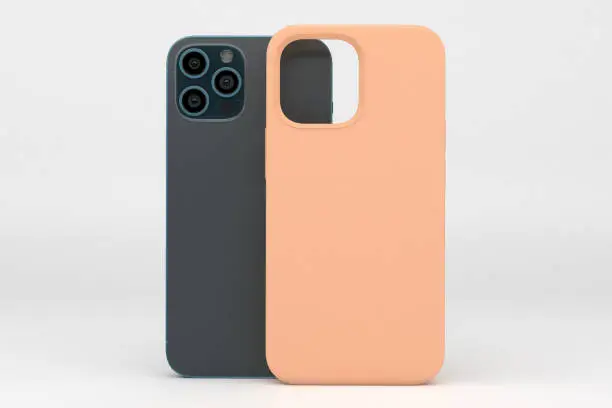
Protective/Rugged Cases: These cases provide maximum impact resistance. They feature multi-layer construction, reinforced corners, and raised bezels.
Slim/Clear Cases: These are popular for minimal bulk and showing off the phone's design. Many have anti-yellowing formulations.
Fashion/Designer Cases: These cases focus on style, patterns, and brand collaborations. They appeal to consumers who see cases as fashion statements.
Wallet/Folio Cases: They combine phone protection with card and cash storage. Customers favor them for all-in-one functionality.
Eco-Friendly/Sustainable Cases: These use biodegradable or recycled materials. They meet environmental concerns and support sustainable practices.
Leading brands focus on strong protection, stylish designs, durability, and environmental responsibility in their product offerings.
Common materials include TPU for flexibility, polycarbonate for rigid protection, silicone for grip, and bioplastics for sustainable options.
Construction ranges from simple single-layer designs to advanced multi-layer rugged cases. This includes magnetic compatibility for newer devices.
The market divides into budget, mid-range, and premium pricing. This reflects differences in features, brand, and material quality.
Good merchandising means balancing stock across case types. It means prioritizing coverage for the latest device models and highlighting protection and eco-credentials.
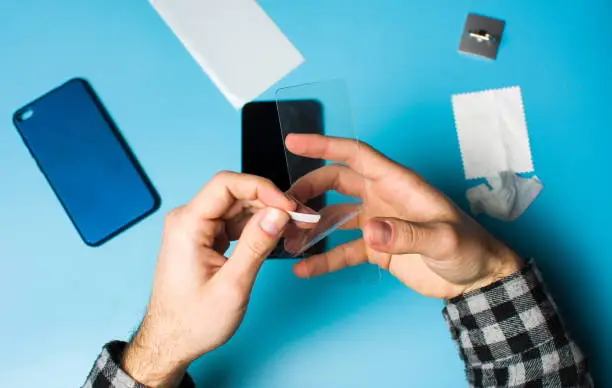
Screen protectors are core accessories in Australia, driven by device protection needs. Retailers find high margins in these products, especially tempered glass, and they leverage bundling with cases.
Screen protectors are a high-volume, repeat-purchase item in Australia. They protect devices and address consumer demand for scratch and crack resistance, particularly for expensive flagship phones.
The most popular type is tempered glass screen protectors. These are common for mid to high-end devices, such as iPhones, Samsung Galaxy, and other premium Android phones. Consumers value them for 9H hardness (scratch resistance), shatter resistance during drops, oleophobic coatings to reduce fingerprints, and edge-to-edge coverage for modern curved screens.
Next are flexible or film protectors made from PET or TPU. People use these for budget devices or if they prefer a thin, less noticeable layer of protection. They also work when tempered glass might lift on curved screens or interfere with a phone case. These are generally lower-priced and often sold in multi-packs.
Privacy screen protectors are gaining traction, especially in urban areas and for commuters. They limit viewing angles, protecting on-screen information from prying eyes. These are typically positioned as a premium upsell.
Niche segments buy anti-blue light, matte, or other specialty protectors. Gamers might choose matte, anti-glare versions for smoother use. Professionals concerned about eye strain often look for blue-light filtering protectors. These specialty types carry a premium price.
Customers distinguish between premium branded protectors and generic options. Branded protectors usually offer a more precise fit, better coatings, and stronger packaging. Unbranded options are cheaper, but quality can vary. Brands also use lifetime warranties or free replacement policies to stand out.
Screen protectors are key accessories in Australia. They sell as add-ons with new phone purchases, in repair shops, and through carrier stores and marketplaces. The high cost of new devices and repair encourages people to buy preventative protection.
Retail prices for standard tempered glass generally range from AU$15–AU$40 in physical stores. Specialty and branded premium protectors often go for **AU$30–AU$60**. Film protectors or multi-packs usually sell for AU$10–AU$25.
Gross margins for screen protectors are high. Wholesale costs are much lower than retail prices. Stores can add an installation fee, which further boosts profit per unit. Bundling protectors with other accessories, like cases, helps increase sales volume.
Physical stores, repair shops, and kiosks rely on protector sales as add-ons to repairs or impulse purchases. Professional installation is a key value-added service. Many customers prefer professional application to avoid bubbles or misalignment.
Carrier stores and big box retailers often sell brand-name protectors with new device launches. They routinely bundle screen protectors with phones and cases. Online marketplaces offer broad choices and competition, driving sales of bulk packs and specialty protectors.
Retailers prioritize tempered glass for most customers. They position privacy and specialty protectors as higher-margin upsells. Staff training focuses on promoting protectors with every device sale and offering quick, professional installation. Bundled offers with cases and insurance also work well.
Inventory management means stocking fast-moving models like the latest iPhones and major Samsung phones. Universal or cut-to-fit protectors cover low-volume older devices. Urban stores often have wider assortments than suburban retailers.
Australia's accessory market thrives on fast charging, USB-C, and multi-device ownership, driving high demand across diverse product categories.
The charging accessory market in Australia sees clear product leaders. Users expect faster charging, better connectivity, and durable designs for their devices.
Several forces shape the charging accessory market in Australia, affecting consumer behavior and sales strategies.
MagSafe accessories are growing fast in Australia, driven by new iPhones. Expect high demand for chargers, power banks, cases, and mounts.
MagSafe chargers, including pads, pucks, and multi-device stations, remain core, high-volume products for iPhone users in 2026.
MagSafe power banks are highly popular for on-the-go, cable-free charging. They offer strong repeat-purchase potential in 2026.
MagSafe car mounts see consistent demand. They are essential for navigation and hands-free driving, especially with stricter regulations in 2026.
MagSafe stands, docks, and desk accessories gain traction. Professionals using hybrid or remote setups use them for enhanced productivity in 2026.
MagSafe wallets and card holders appeal to urban Australian markets. Their slim design and RFID protection drive this appeal in 2026.
The MagSafe accessory market in Australia shows strong growth in 2026. This is driven by widespread iPhone MagSafe compatibility.
MFM-certified third-party brands like Belkin, Anker, ESR, and Nomad secure significant market share. They offer competitive pricing and enhanced functionality over Apple's premium line in 2026.
Australian consumers prioritize several factors. These include safety (MFM certification), 15W fast charging, strong magnet stability, and compatibility with their phone cases in 2026.
Pricing strategies in 2026 include premium tiers from Apple and high-end MFM brands. Mid-tiers like Anker and ESR offer value, and budget options are also available.
Effective merchandising in 2026 highlights MFM certification. It demonstrates specific use cases such as commuting, travel, or working from home, and uses clear visual displays.
Retailers in 2026 increasingly feature dedicated MagSafe sections. This affirms its status as a distinct and rapidly expanding subcategory.
Australia's gaming phone accessory market grows with budget-friendly options, console-like experiences, and comfort, driven by strong online and bundled sales.
Phone cases, screen protectors, and various charging accessories lead in high-margin potential across Australian retail, especially through targeted sourcing and bundling.
| Category | Typical Retail Price Range (Australia) | Relative Cost Base | Margin Potential | Notes |
|---|---|---|---|---|
| Custom / vending phone cases | AUD $20–$40 per case | Very low ($2–$4) | Very high (73–88%+) | Highest; scalable via vending and online personalised sales. |
| Designer / branded ring holders & grips | A$25–A$40+ | Low to moderate | High | Strong growth; premium MagSafe and rechargeable models. |
| Generic cases (kiosks, online) | A$15–A$30 (typical) | Low | High | Import from China and sell under local brands. |
| Value/mid‑tier ring holders | A$8–A$25 | Low | Moderate–High | Good add‑on sales with high perceived utility. |
| Wireless charging pads / power accessories | A$40–A$100+ (many models) | Moderate | Moderate–High | Compliance and BOM costs limit extreme margins. |
| Screen protectors, small add‑ons | A$10–A$30 | Very low | High | Often sold in bundles; margins good but unit price lower. |
Several accessory types consistently deliver strong profit. These products benefit from low production costs, high perceived value, and steady consumer demand. Prioritize these for robust margins.
Maximizing profit requires a clear understanding of margin structures and channel dynamics. Focus on specific product categories, smart bundling, and sourcing practices.
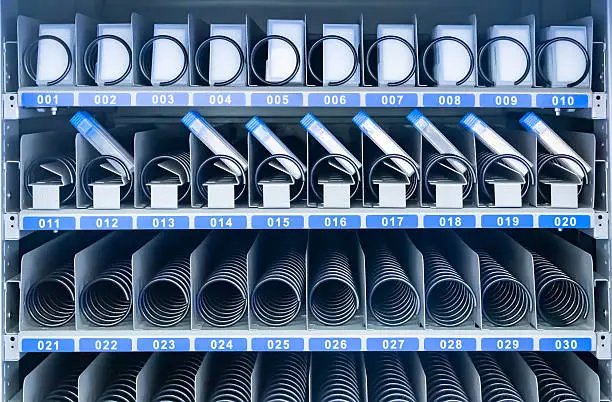
Vending machines perform best with protective cases, power products, and basic audio items. High-traffic, time-sensitive locations drive sales.
To capture Australia's phone accessory market, a targeted product strategy is essential. Merely stocking items risks inventory stagnation and margin erosion. Focusing on high-margin categories like cases and screen protectors, backed by the insights shared, offers your clearest path to sustained profitability.
Ready to implement these high-impact strategies? We recommend a tailored consultation to refine your inventory and sales approach for the Australian market. Connect with our team to map out your specific growth plan and secure your competitive edge.
Share your business vision with us. Our automated retail experts will craft a tailored strategy and a comprehensive profitability report to unlock your next revenue stream.