What Materials Can a Phone Case Printing Machine Print On
Phone case printing materials for B2B. Specs like TPU ≥42 dyn/cm & PC ≤38° contact angle ensure profit. Reliable wh...

I'm the COO of GOBEAR. We help entrepreneurs, mall operators, 3C mobile stores, event venues, and campus retailers tap into high-margin, low-maintenance vending models.
Standalone cutter machines rely on manual operation, which limits how efficiently they can scale in real-world retail environments. Every transaction depends on staff involvement for setup, payment handling, and production, creating a structural bottleneck that prevents continuous revenue generation.
All-in-one vending machines solve this limitation by integrating design, payment, and production into a single automated workflow. This shift enables fully self-service operations, allowing machines to run 24/7, reduce labor dependency, and capture demand without interruption from operational constraints.

Standalone cutter machines refer to single-function production devices commonly used for on-demand products such as phone screen protectors or customized cases, requiring manual operation for each transaction. This creates a labor-dependent structure that limits operational independence and restricts scalability.
Standalone cutter systems rely on staff to complete every transaction. Customers cannot independently initiate or finish the process, which creates a fragmented workflow.
This structure makes the system closer to a service station than an automated retail solution, significantly reducing efficiency.
Because operation depends on human presence, business activity is restricted to staffed hours. This removes any possibility of continuous revenue generation.
Over time, this limitation reduces total revenue potential, especially in high-traffic environments where demand is not confined to working hours.
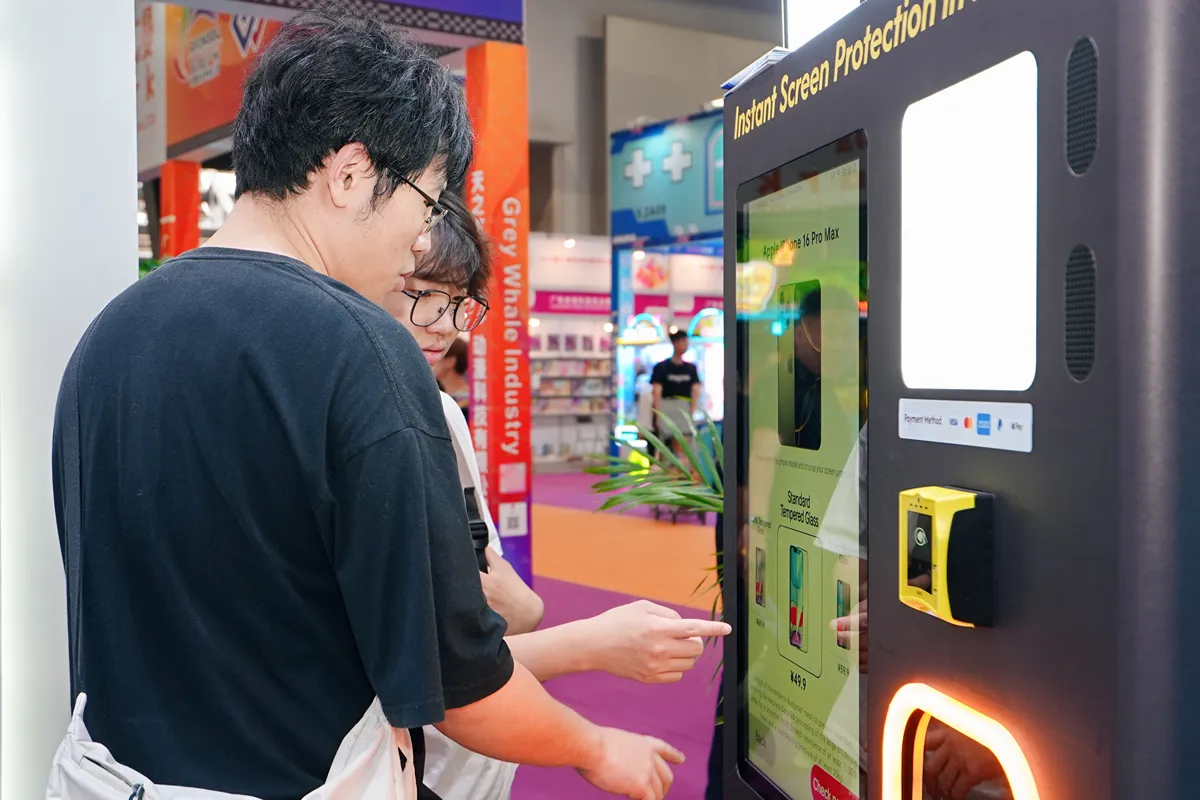
All-in-one vending machines use an integrated automated system to handle the entire user journey.
The system is designed for fully independent customer operation from start to finish. Users interact directly with the machine interface to complete all steps in one flow.
This structure removes operational dependency and ensures consistent service delivery across all time periods.
The payment module is built for fast and frictionless transactions using multiple digital payment methods. It eliminates traditional checkout delays and reduces purchase abandonment.
This payment flexibility ensures compatibility with modern consumer behavior and increases conversion efficiency.
Once payment is completed, the system immediately triggers automated production through integrated hardware and software coordination. The workflow is optimized for speed and consistency.
This automation ensures rapid delivery while maintaining a fully unattended operational model.
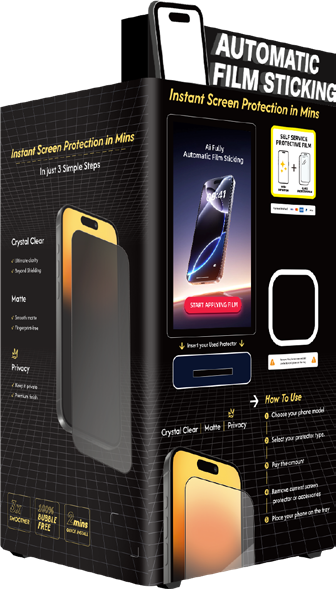
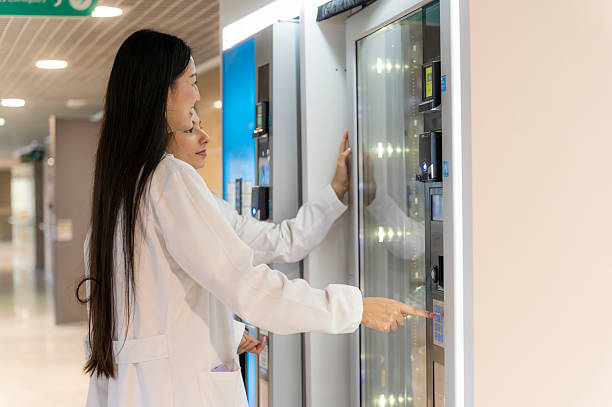
Automation reduces friction in the decision-making process by simplifying how users evaluate, customize, and complete a purchase. This creates a smoother transition from initial interest to final transaction.
The system reduces hesitation by removing waiting barriers and enabling immediate access at any time. Because the machine operates 24/7, users can act on spontaneous demand without delay, which strengthens impulse-driven purchasing behavior. Faster transaction execution keeps users engaged until completion, reducing drop-off during the process.
AI-assisted customization reduces the effort required for users to turn ideas into finished designs. Instead of navigating complex steps, users interact with simplified prompts that guide the creation process. This lowers cognitive load and makes the decision feel easier and more intuitive, increasing the likelihood of completing a purchase.
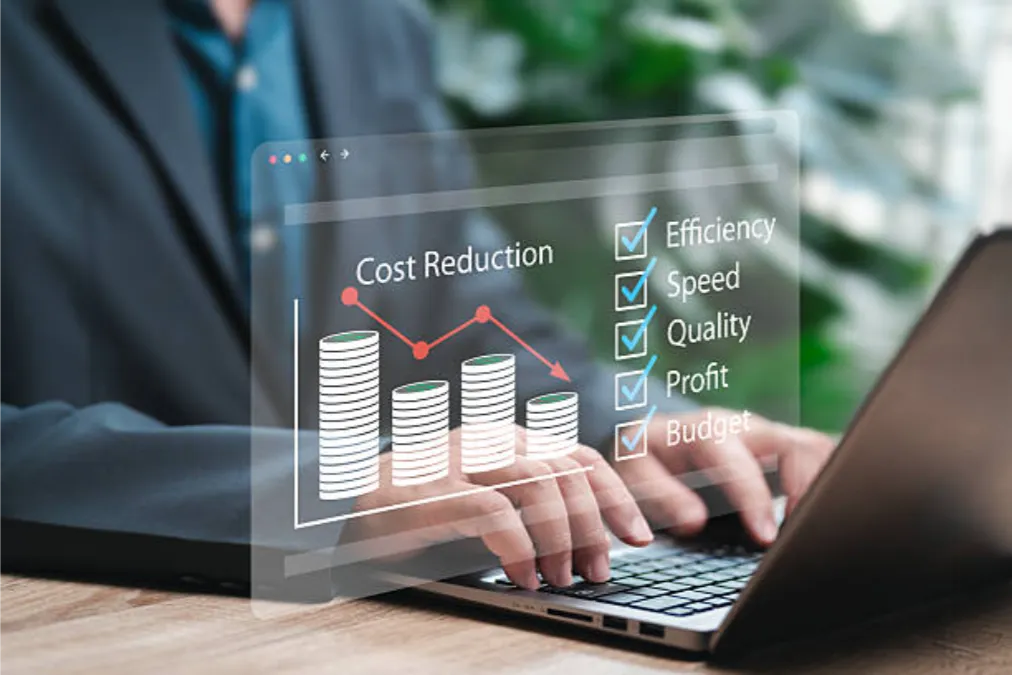
All-in-one vending machines reduce operational complexity by centralizing management, maintenance, and monitoring into a single remote-controlled system. This structure lowers the need for on-site intervention and improves overall cost efficiency.
The system minimizes reliance on human labor by enabling centralized control of multiple machines through one operator.
This significantly reduces fixed labor overhead while maintaining continuous machine operation.
Machine performance is continuously tracked through cloud-based monitoring tools that allow real-time issue detection and system updates.
This improves operational reliability while minimizing maintenance disruption.
Inventory management is optimized through data tracking, allowing more accurate restocking cycles and reduced stock-related inefficiencies.
This ensures smoother operations and reduces revenue loss from inventory gaps.
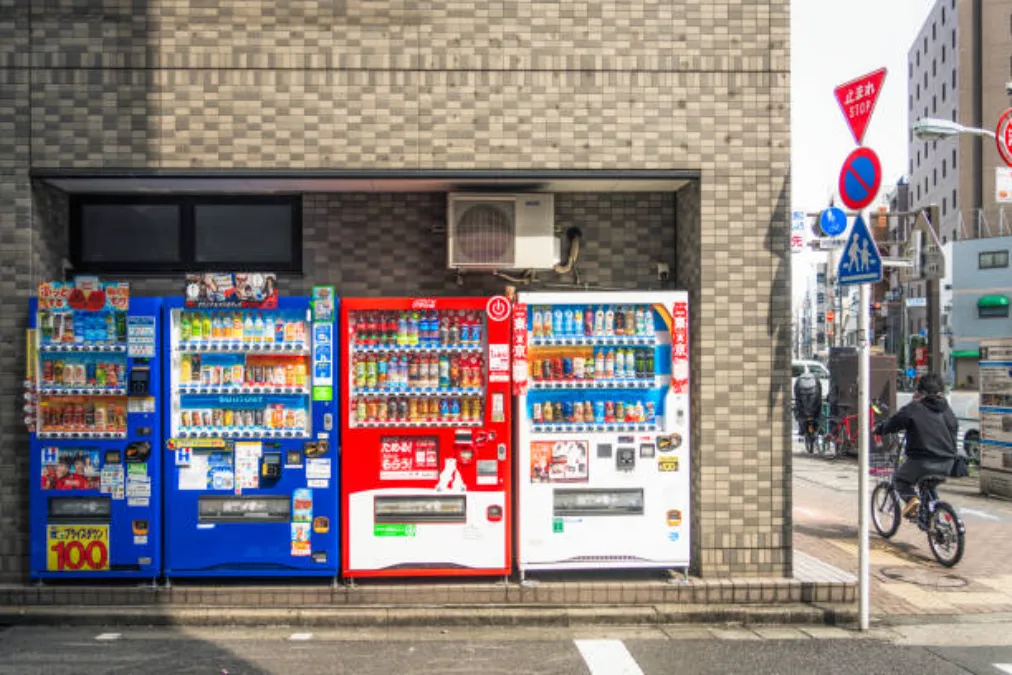
The system supports standardized deployment across multiple locations with predictable operational performance
Each unit follows the same installation and configuration model, enabling fast rollout across different locations without redesign or operational adjustment.
This standardization reduces expansion friction and supports rapid network growth.
Revenue performance is primarily determined by location traffic, making income easier to estimate and model across multiple units.
This predictability supports more stable scaling decisions and reduces financial uncertainty.
A unified system allows operators to monitor and control multiple machines from a single dashboard, reducing operational fragmentation.
This centralization enables efficient scaling without proportional increases in management workload.
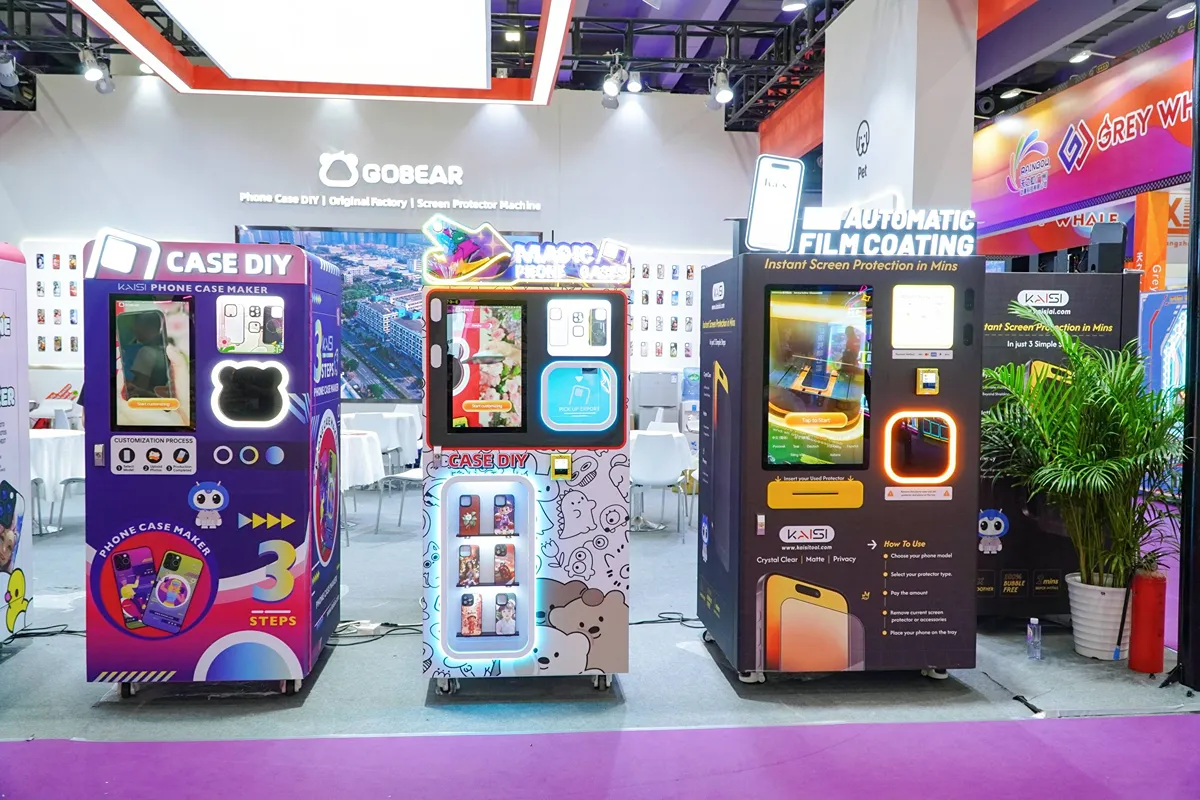
Retail is shifting from labor-dependent operations toward machine-driven automated systems. This transition is redefining how retail infrastructure is deployed and managed at scale.
The retail model shifts from human-operated service delivery to machine-based revenue systems that function independently.
This change redefines machines as infrastructure rather than service tools.
Unattended retail environments allow locations to operate continuously without on-site supervision.
This model enables consistent revenue generation without traditional operational constraints.
Automation creates structural advantages in cost efficiency and scalability compared to manual retail models.
This shift strengthens competitiveness through operational efficiency rather than labor scale.
Yes, self-service kiosks are proven to increase average order values between 10% and 30%. They use visual prompts and intelligent suggestions to encourage customers to add items. Because the interaction is digital, customers feel less pressure and are more likely to accept upsells, which directly boosts revenue per transaction.
Customer experience is generally positive, especially for those who value speed and control. Kiosks can reduce transaction times by up to 40% and eliminate order errors. While some customers may miss personal interaction, many appreciate the ability to browse and customize their orders at their own pace without feeling rushed.
Yes, our kiosks integrate with all major mobile payment systems. They support NFC for contactless cards and digital wallets like Apple Pay and Google Pay, as well as QR code payments. This integration offers a fast, secure, and convenient payment experience that meets modern consumer expectations.
A standalone cutter seems cheaper upfront, but it locks you into ongoing labor costs and operational friction. Our integrated screen vending system is the proven standard for unattended retail, designed for maximum uptime and zero staff dependency. You aren't just buying a tool; you're deploying an automated revenue-generating system.
Don't guess on profitability—see the numbers. Contact our team to build a custom ROI projection for your specific locations. We'll show you the cloud management dashboard and map out the path to breaking even.
Share your business vision with us. Our automated retail experts will craft a tailored strategy and a comprehensive profitability report to unlock your next revenue stream.