Can I Start a Phone Case Vending Machine Business From Home in USA
Launch a scalable, high-profit phone case vending machine business from home. Achieve 70%+ gross margins and rapid capit...

I'm the COO of GOBEAR. We help entrepreneurs, mall operators, 3C mobile stores, event venues, and campus retailers tap into high-margin, low-maintenance vending models.
Vending machine performance is ultimately determined at the location level. Even with the same machines and products, some sites generate steady daily sales while others remain underutilized. The difference usually comes down to how well demand, environment, and user behavior are understood before deployment.
Improving sales per location requires a structured approach that connects location quality, product selection, and in-machine experience into one system. This article breaks down the key factors that directly influence performance and how operators can systematically improve revenue from each machine location.
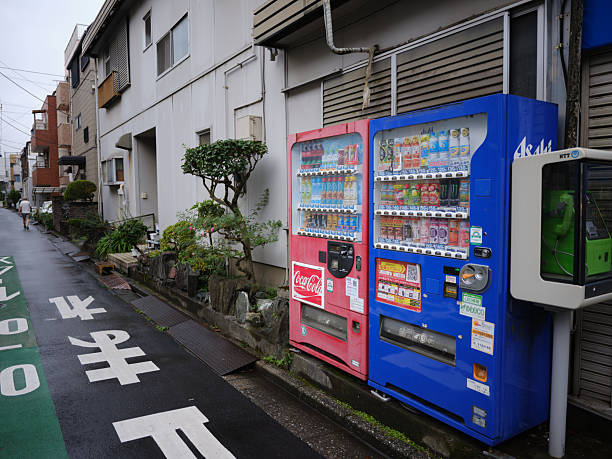
Strong vending performance starts with selecting environments where user behavior naturally supports frequent purchases and repeat usage. The goal is not just to find crowded places, but to identify locations where people are both exposed to the machine and willing to make quick purchasing decisions.
High foot traffic alone does not guarantee strong sales. What matters more is how people move through the space and whether they have the time and intent to interact with the machine.
User demand changes significantly depending on the environment, even if the same products are offered. Each location creates its own consumption pattern that directly impacts sales consistency.
| Location Type | Primary Demand | Purchase Style |
|---|---|---|
| Offices | Coffee, snacks | Routine-driven |
| Gyms | Hydration, protein | Functional |
| Transit hubs | Drinks, convenience items | Impulse-driven |
| Schools | Affordable snacks | Frequency-based |
Even within a strong location, machine placement determines how often users actually notice and interact with it. Visibility and access are key drivers of conversion.
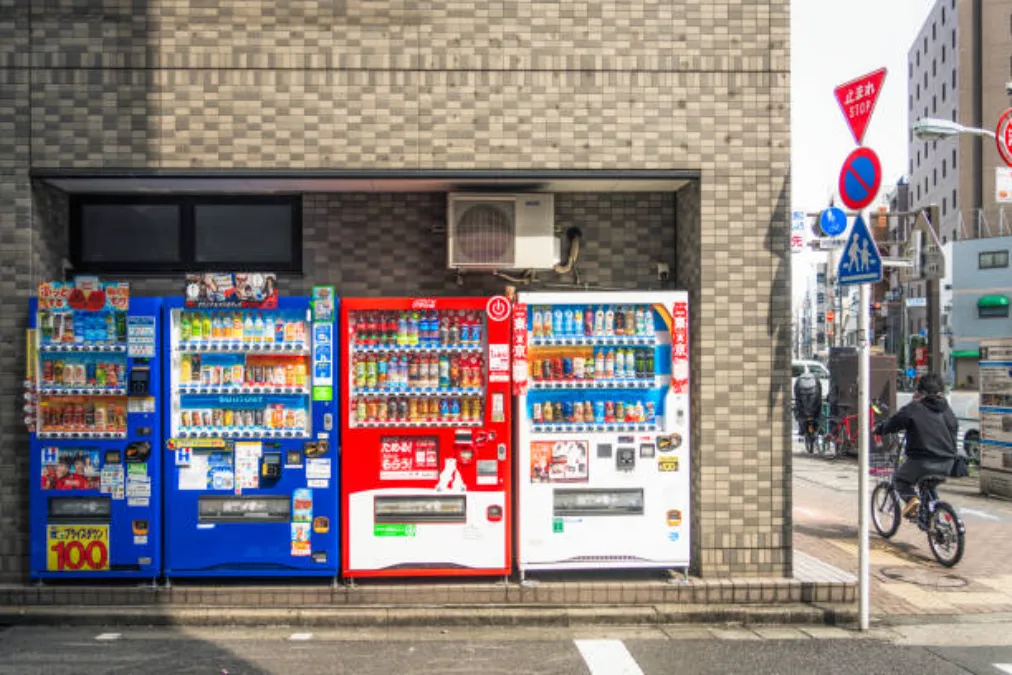
Product selection determines how effectively demand is captured at each location. Once the location is defined, the focus shifts to building a product mix that directly reflects what users are most likely to buy in that specific setting.
Product selection should directly reflect user consumption needs in each location, rather than relying on generic assumptions.
Inventory performance improves when product variety is refreshed according to how frequently users return to the same machine.
| Audience Type | Rotation Frequency | Primary Goal |
|---|---|---|
| Offices | Weekly rotation | Reduce repetition fatigue |
| Schools | Frequent snack updates | Maintain engagement |
| Airports | Partial dynamic updates | Adapt to changing traffic patterns |
Demand patterns shift throughout the year based on time, weather conditions, and user behavior cycles, requiring continuous adjustment of product selection strategy.
Morning demand is usually concentrated around coffee and breakfast-related items. Afternoon demand shifts toward hydration and light snacks. Seasonal demand further influences product mix, with hot products performing better in colder months and cold beverages dominating in warmer seasons.
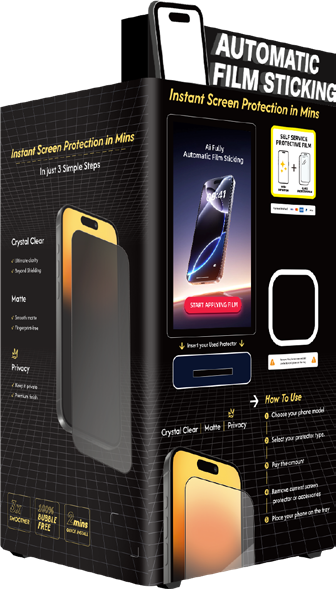
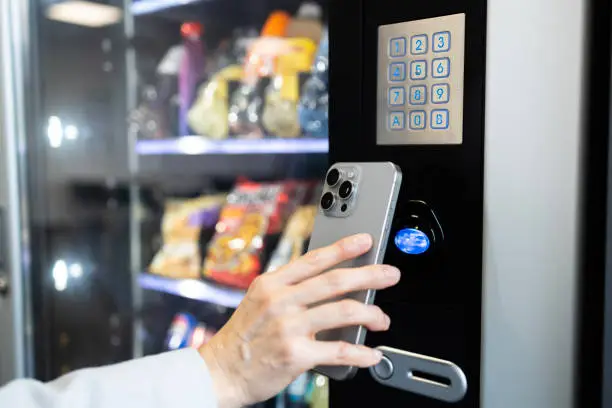
Reducing payment friction directly improves both transaction frequency and how much users are willing to spend per purchase. Once users decide to buy, the checkout experience becomes a key factor in whether the transaction is completed or abandoned.
Modern vending environments require payment methods that match fast-paced user behavior, especially in high-traffic locations where speed and simplicity matter.
| Payment Method | User Benefit | Business Impact |
|---|---|---|
| Mobile wallets | Faster checkout | Higher conversion |
| Contactless cards | Greater convenience | Larger basket size |
| QR payments | Lower friction | Broader user adoption |
Cashless payment systems reduce psychological barriers to spending, which naturally leads to higher average order value.
Beyond improving sales, modern payment systems also reduce operational complexity and improve system reliability.
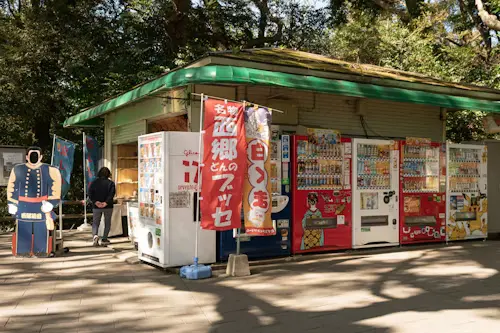
Onsite conversion is the stage where user attention in front of the machine is converted into actual purchase decisions.
Visual presentation plays a major role in whether users stop at the machine or simply pass by. A clear and noticeable design reduces friction at the attention stage.
Purchase decisions are often made within seconds, meaning small cues can significantly influence conversion outcomes.
Clear pricing helps reduce hesitation by making value immediately understandable. Limited-time offers introduce urgency, while simple promotions reduce cognitive load and support faster decision-making.
Strategic product combinations increase transaction value by encouraging users to buy complementary items in a single purchase.
| Primary Product | Complementary Product | Goal |
|---|---|---|
| Coffee | Pastries | Morning bundle sales |
| Sports drinks | Protein bars | Fitness-related upselling |
| Chips | Soft drinks | Impulse combination increase |
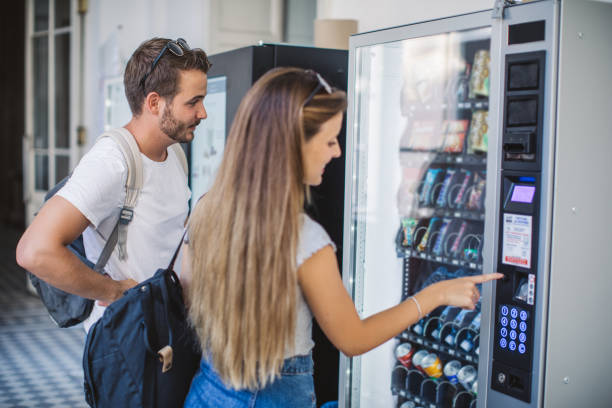
Long-term revenue growth depends on turning one-time buyers into repeat customers. This requires maintaining engagement beyond the initial purchase and keeping the machine relevant in daily usage scenarios.
Reward systems are most effective when they reduce friction and create habitual purchase behavior over time.
Points-based systems encourage repeat transactions by rewarding frequency rather than single purchases. Digital rewards make participation easier, especially when integrated into mobile environments. App-based tracking further enables personalized incentives based on past behavior.
Time-based promotions help sustain interest by aligning product availability with changing demand cycles.
Seasonal offers improve relevance by matching user needs during specific periods such as summer or winter. Limited-time items create urgency and increase short-term conversion rates. Bundle discounts are particularly effective for increasing basket size without changing traffic volume.
| Promotion Type | Primary Goal | Example |
|---|---|---|
| Seasonal offers | Improve relevance | Summer cold drinks |
| Limited-time items | Create urgency | Holiday snacks |
| Bundle discounts | Increase basket size | Coffee + pastry combinations |
Repeat purchases are strongly influenced by how frequently users are reminded of machine availability within the same environment.
Internal communication channels such as newsletters help reinforce awareness among employees or tenants. Onsite signage strengthens visibility in daily movement paths. Partner promotion adds credibility through property-owner endorsement, which increases trust and usage frequency.

Performance tracking transforms vending operations from reactive management into a scalable system. Once data is properly collected and interpreted, operators can make consistent decisions across multiple locations instead of relying on guesswork, while continuously improving overall ROI across the network.
Clear performance data helps operators understand which products and locations are actually driving revenue, and which ones are limiting overall efficiency.
| KPI | Purpose | Business Impact |
|---|---|---|
| Transaction volume | Demand strength | Location evaluation |
| Average order value | Revenue quality | Margin analysis |
| Stockout rate | Inventory efficiency | Lost sales prevention |
Real-time system visibility improves operational responsiveness, especially in multi-machine environments where delays directly affect revenue.
Sustainable expansion depends on creating repeatable systems that ensure each new machine performs consistently across different environments.
It depends on the environment. Stable locations like offices may require weekly updates, while high-traffic locations often need only partial rotation to maintain variety without disrupting core sales.
Both are important, but they operate at different levels. Location determines traffic quality and revenue potential, while product selection determines how much of that potential is actually converted into sales.
Data helps operators move from guesswork to system-based decision-making. It identifies high-performing products and locations, then standardizes successful patterns across multiple machines to improve consistency at scale.
Improving vending machine sales per location depends on aligning location quality, product selection, payment experience, and operational data into a unified system. Without this coordination, even high-traffic sites struggle to deliver stable and scalable performance.
As operations move toward more automated and data-driven models, success increasingly relies on system-level deployment rather than individual machines. Integrated retail solutions can help reduce variability and improve consistency across locations, and GOBEAR supports this transition with scalable automated retail frameworks designed for long-term operational efficiency.
Share your business vision with us. Our automated retail experts will craft a tailored strategy and a comprehensive profitability report to unlock your next revenue stream.