Best Locations for a Screen Protector Vending Machine in 2026
Discover the best locations for a screen protector vending machine. Maximize profits in high-traffic spots. Scale your b...

I'm the COO of GOBEAR. We help entrepreneurs, mall operators, 3C mobile stores, event venues, and campus retailers tap into high-margin, low-maintenance vending models.
The appeal of a snack vending machine business as passive income often overshadows its true operational complexities. As an entrepreneur in 2026, you might believe that vending is a "set and forget" investment. However, this mindset can lead to unexpected financial strain before you even turn a profit.
In this article, you will uncover the specific operational costs that impact your bottom line. We look at everything from restocking labor to 24/7 energy bills. These hidden expenses often leave your typical monthly revenues surprisingly thin.
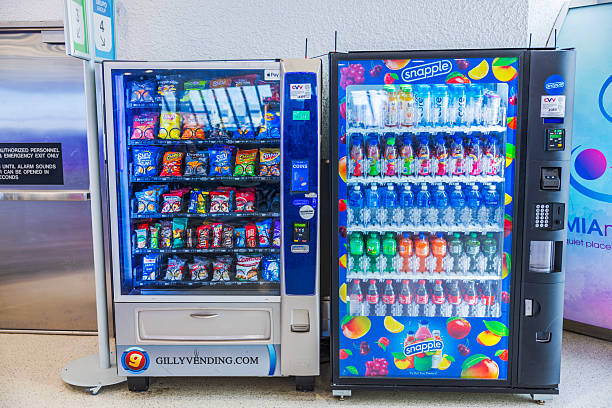
Imagine checking your machine only to find that 20% of your inventory is now unsellable. Expiration loss is a significant hidden drain on profit in the snack world. Because snacks are perishable, you are under constant pressure from short shelf lives.
The Inventory Balancing Act: You must constantly predict demand. If you overstock to save on trip frequency, your products expire. If you understock, you lose sales. Finding that "sweet spot" requires constant data analysis and physical adjustments.
The Seasonal Challenge: Your product mix must change with the weather. Chocolates melt in the summer, and certain snacks lose appeal as trends change. You lose the wholesale cost of the item and the potential revenue from that empty slot.
The Quality Penalty: Even if a product hasn't technically expired, stale chips or hardened candies can damage your reputation. Maintaining freshness requires active rotation. Most passive investors are simply not prepared for this level of oversight.
Reality Check: Industry data suggests that without active management, inventory waste can erode a significant portion of your net profits. Unlike non-perishable goods, every expired bag of chips is money lost.
Vending machines are frequent targets for theft. Traditional snack machines attract unwanted attention because many still rely on physical cash validators. This signals to thieves that there is physical money inside, regardless of how secure the location seems.
If a vandal breaks your coin mechanism on a Monday, you might not fix it until Thursday. In that time, you have lost four days of peak revenue. The repair cost itself often ranges from $100 to $300. However, the lost sales during downtime are the true burden on your investment.
A machine that shows signs of attempted theft or graffiti quickly loses customer trust. People are hesitant to put money into a machine that looks neglected. This leads to a downward spiral in sales that is very difficult to reverse.
To protect your cash and inventory, you are forced to pay for ongoing security measures. These are necessary expenses that eat into your margins:
Investing in expensive cage enclosures or high-security locks.
Paying monthly subscription fees for remote camera monitoring or alarm systems.
The time you spend responding to security alerts in the middle of the night.
One of the most frustrating parts of the snack business is the lack of pricing freedom. In retail, you simply raise prices when costs go up. In vending, you are often trapped by institutional agreements and consumer expectations.
|
The Factor |
Operational Reality |
Impact on Your Profit |
|---|---|---|
|
Institutional Price Caps |
Schools or hospitals often mandate "affordable" pricing for staff. |
Hard ceiling on revenue; often capped at $1.00–$1.50 regardless of inflation. |
|
Gross Revenue Commissions |
Desirable locations demand a "rent" based on a percentage of gross sales. |
You pay 5% to 25% of gross sales before you even cover your own expenses. |
|
Digital Transaction Fees |
Card readers are essential but come with a "small-ticket tax" per swipe. |
On a $1.25 snack, fees can eat up to 10–15% of your total margin. |
|
Contractual Price Freezes |
Many site contracts freeze your prices for 12-24 months for "stability." |
As fuel costs spike in 2026, you must absorb 100% of the cost increases. |
|
Psychological Barriers |
Consumers have a mental "stop" at certain price points (e.g., $2.00). |
Raising prices by even $0.25 can lead to a major drop in sales volume. |
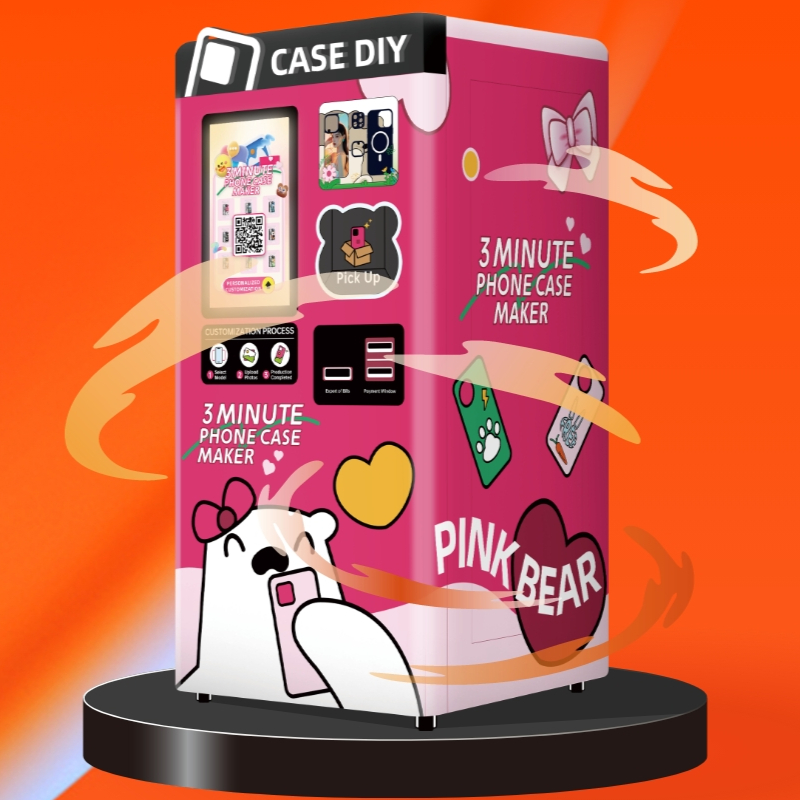
Restocking your vending machines is a physically demanding job. Many beginners underestimate the "invisible hours" spent behind the scenes before the machine even gets filled.
Your work starts long before you reach the machine. You must spend hours sourcing inventory from wholesalers, unboxing, and sorting. This logistical work can consume as much time as the restocking itself.
This is where the business math of snacks fails. Snacks have low value-density. You must transport and lift hundreds of bulky items to make a few hundred dollars. This requires a large vehicle and storage space. In contrast, high-value tech accessories allow you to carry thousands of dollars of inventory in a single backpack. This reduces your physical labor and fuel costs by 90%.
If you use cash-accepting machines, collecting and counting coins is a tedious process. It also introduces a security risk every time you are seen emptying the cash box in a public space. You must always be hyper-aware of your surroundings.
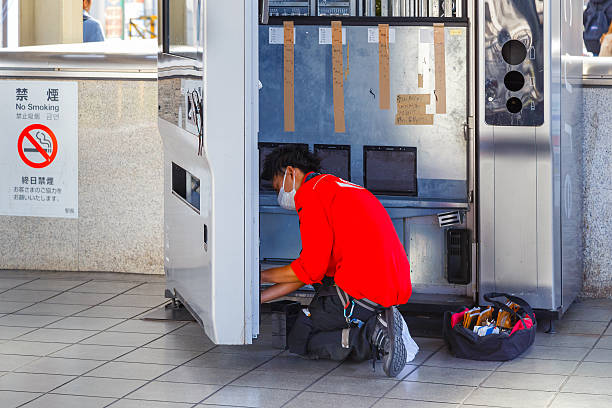
One of the most overlooked killers of profit is the electricity bill. If you are selling cold drinks or chocolates, your machine's refrigeration system is a 24/7 drain on your resources.
The Energy Overhead: Refrigerated units consume significantly more power than ambient machines. In many 2026 vending contracts, you are responsible for these utility costs. They eat directly into your monthly net profit.
The Sustainability Barrier (ESG): In 2026, many corporate offices prioritize ESG (Environmental, Social, and Governance) goals. A power-hungry, inefficient snack machine can be a deal-breaker for these premium vending machine locations. If your machine doesn't meet modern energy-star ratings, you may be restricted to less-profitable spots.
Professional Maintenance Premiums: Cooling units are complex systems. A refrigeration failure requires a specialized HVAC technician whose hourly rates are significantly higher than those of general maintenance staff. Furthermore, a cooling failure can ruin your entire inventory of chocolates in a matter of hours.
Your success depends almost entirely on your location. However, high-traffic spots come with their own set of unique pressures and risks.
The Underperformance Trap: If your machine is stuck in a low-traffic location, it traps your capital. This often happens in spots generating only $150 to $400 a month. In these cases, you are paying for a machine that simply isn't paying for itself.
The Hybrid Work Challenge: In 2026, many office locations have shifted to hybrid schedules. A location that used to be busy five days a week might now only see traffic on Tuesdays and Wednesdays. Unfortunately, your fixed costs remain the same.
The Relocation Barrier: Moving a 600-pound machine is not a simple task. It often requires you to hire professional movers and rent specialized trailers. You may also need to negotiate your way out of old contracts, creating a costly barrier to pivoting your business.
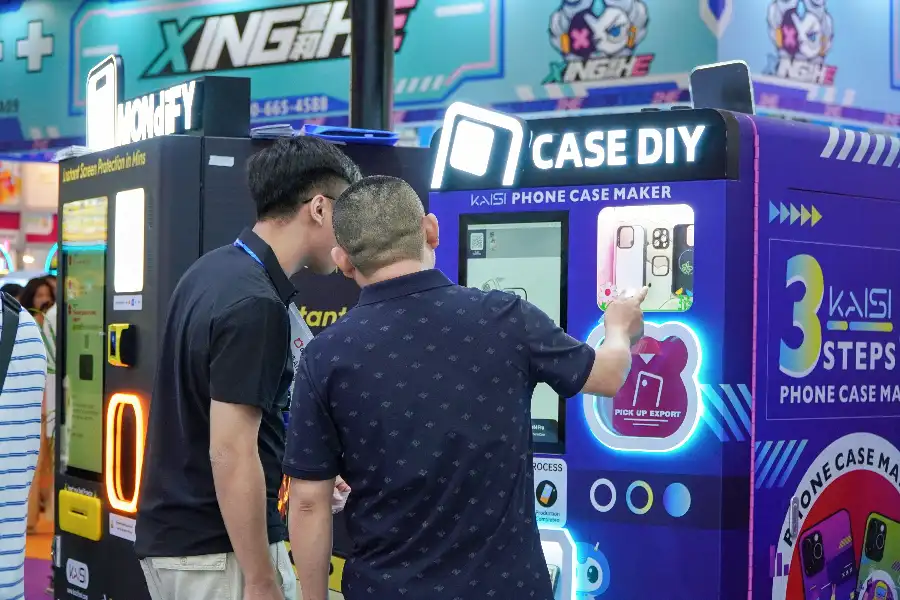
Traditional snack vending requires constant active engagement to stay profitable. However, you can still achieve true passive income if you choose a product category designed for high margins and low maintenance.
GoBear’s modern vending solutions are engineered to solve these exact pain points. By shifting your focus to high-value tech accessories, the math changes in your favor. This includes items sold in our diy phone case vending machines or screen protector vending machines:
|
Feature |
Snack Vending |
GoBear Tech Vending |
|---|---|---|
|
Inventory Risk |
High (Food spoils/expires) |
Zero (Tech doesn't rot) |
|
Profit per Sale |
Low ($0.50 - $1.00 net) |
High ($10 - $25 net) |
|
Restocking Labor |
Weekly (Heavy & Bulky) |
Monthly (Light & Compact) |
|
Value Density |
Low ($200 per van load) |
High ($2,000 per backpack) |
|
Energy Needs |
High (24/7 Refrigeration) |
Ultra-Low (Ambient Power) |
|
Payment Security |
Target for cash theft |
100% Cashless & Secure |
Choosing GoBear allows you to move away from the high-maintenance grind of food service. Our machines are energy-efficient and 100% cashless. This removes the cash target that leads to vandalism. Because tech accessories are small and high-margin, you spend less time driving and more time growing your business.
Ready to leave the low-margin grind of snack vending behind? Partner with us today to build a high-profit, truly sustainable tech vending business that works for you.
Traditional snack machines can take 2 to 3 years to break even because of low margins. With high-value tech vending, you’re looking at a much faster business ROI—often 12 to 18 months. Selling just one phone case can net you the same profit as 30 bags of chips!
Absolutely! Snack machines are demanding and need frequent attention. But since tech accessories don't expire and have high value-density, you only need to restock once or twice a month. It’s a side-hustle that actually respects your free time.
Tech vending is much simpler. You avoid the complex health permits and food safety inspections required for snacks. Usually, you just need a standard business license and a sales tax permit to hit the ground running.
While phone models evolve, tech accessories do not rot. Unlike expired food, which must be thrown away as a 100% loss, older tech inventory can be discounted or bundled. The risk of inventory aging is far easier to manage than the guaranteed physical spoilage of snacks.
Smart tech lets you track every sale from your phone in real-time. You’ll know exactly what’s sold out before you even leave your house. This means you only visit the machine when necessary. Now, that’s what we call passive!
Tell us about your business goals, and our experts will provide a tailored solution and a detailed profitability report. Let's start building your new revenue stream together.