What is a Phone Case Vending Machine - GOBEAR
Phone case vending machines offer instant, customizable cases on the go—perfect for tech lovers and entrepreneurs seek...

I'm the COO of GOBEAR. We help entrepreneurs, mall operators, 3C mobile stores, event venues, and campus retailers tap into high-margin, low-maintenance vending models.
A common myth in the vending industry is that you can simply buy a machine, plug it into an outdoor outlet, and start collecting cash. This leads many beginners to ask: Is it free to put a vending machine anywhere?
The short answer is: No. You cannot legally place a vending machine on public or private property without permission, and "free" spots are rare.
The profitable answer is: While most locations require a commission or rent, the right machine can negotiate its own way in.
Asking "Is it free?" overlooks the real costs of a bad placement. An unvetted location without a formal agreement leads to lost revenue, wasted logistics, and potential liability claims. In this guide, we will analyze the true cost of placement and how to secure high-value spots that are worth paying for.
Unless you own the building, you are a guest on someone else's property. You are using their electricity, their square footage, and their customer base. Property owners expect something in return.
Commission-Based: You pay the location owner a percentage of your gross sales. In exchange, you get a spot in a high-traffic area like a school or office.
Fixed Rent: You pay a flat monthly fee regardless of sales. This is risky for beginners but great for high-volume locations where sales far exceed the rent.
Free Placement: The location owner lets you place the machine for free because they view it as a perk for their employees or customers. This is the gold standard, but you need a premium machine to justify it.
Before you drop a machine, you must clear several hurdles:
Exclusivity Clauses: Many venues, such as campuses or hospitals, have exclusive contracts with large vending corporations. Always check if the location has a "non-compete" clause that bans other machines before you start negotiating.
Lease Agreements: A handshake isn't enough. You need a contract outlining that the host typically pays for electricity and defining who is liable for damages.
ADA Compliance: Federal law requires machines to be accessible to people with disabilities. Controls must be within reach, which is typically between 15 and 48 inches off the ground.
Insurance: Most commercial venues require a Certificate of Insurance (COI) with substantial general liability coverage.
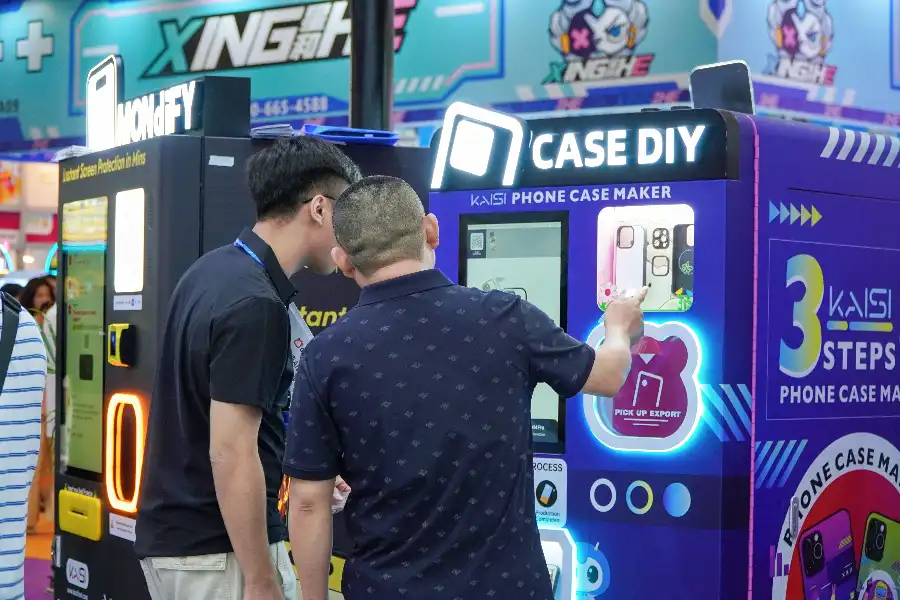
Here is the secret seasoned operators know: Landlords don't want a rusty snack box; they want an amenity.
If you offer a generic machine selling stale chips, you will likely have to pay a high commission to stay there. However, if you offer a high-tech, engaging kiosk that adds value to their space, the dynamic changes.
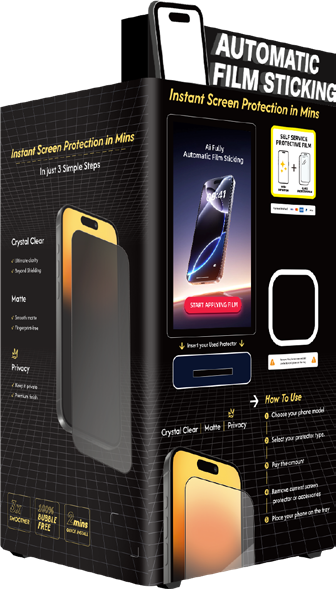
This is where GOBEAR’s custom phone case vending machines and screen protector vending machines become a powerful negotiation tool.
When pitching a location, you aren't just a vendor; you are providing a service.
The Pitch: "I will install a state-of-the-art tech station that allows your customers to protect their phones instantly. I can even customize the machine's exterior light box and body wraps to match your brand's aesthetic."
The Leverage: Because GOBEAR machines look modern and offer high-demand services such as screen protection and custom cases, plus fully customizable exterior branding, property managers often view them as a value-add rather than an eyesore. This allows you to negotiate significantly lower rent or even free placement.
Landlords hate hassles. They worry about refunds, stuck products, and complaints.
GOBEAR’s smart cloud management system reassures property managers that they won't be bothered.
Remote Monitoring: You know exactly when to restock or if a printer needs attention before anyone complains.
Cashless Reliability: Cash jams are the leading cause of service calls. GOBEAR’s cashless integration creates a seamless, "set it and forget it" experience for the host.
Even if you have to pay a commission, the math works in your favor if your product has a high margin.
Scenario A - Snacks: You sell a low-cost soda. After paying the commission and the cost of goods (COGS), your net profit per unit is razor-thin—often measured in cents.
Scenario B - GOBEAR: You sell a premium custom phone case. The commission is higher in absolute terms, but the COGS is low relative to the price. The result is a substantial net profit per sale.
You would need to sell dozens of sodas to match the profit of a single phone case. This shows why chasing "free" spots for low-margin machines is often a waste of time. It is better to pay for a prime location with a high-margin machine.
High-value locations such as malls, airports, and universities demand modern technology.
Cashless systems remove spending friction. Industry trends consistently show that card and mobile tap-to-pay users spend significantly more per transaction than cash users.
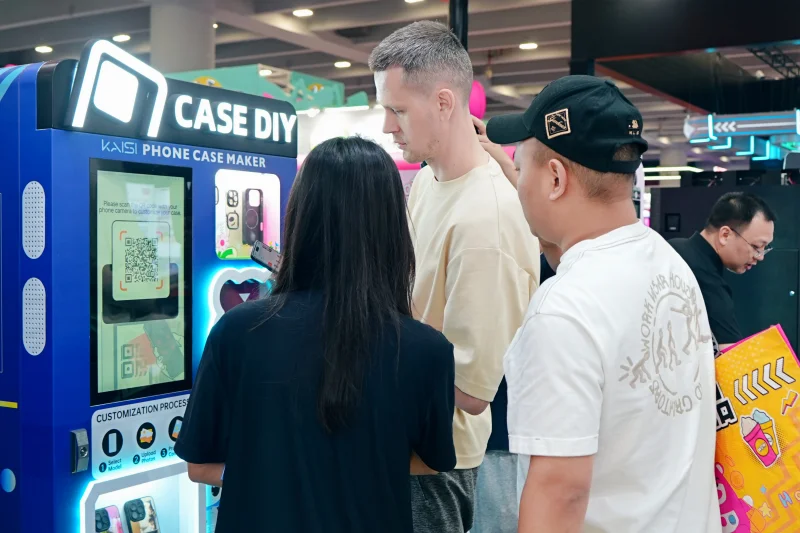
GOBEAR machines come standard with NFC technology. This 120-second, tap-to-pay experience fits perfectly in busy environments where people don't have time to fumble for change.
A standard vending machine is invisible. A GOBEAR machine is a destination.
The AI design assistant turns the machine into an interactive kiosk. People stop to watch the printing process, drawing a crowd. This "theatre of retail" is exactly what mall operators and venue managers are looking for—something that keeps people engaged in their space.
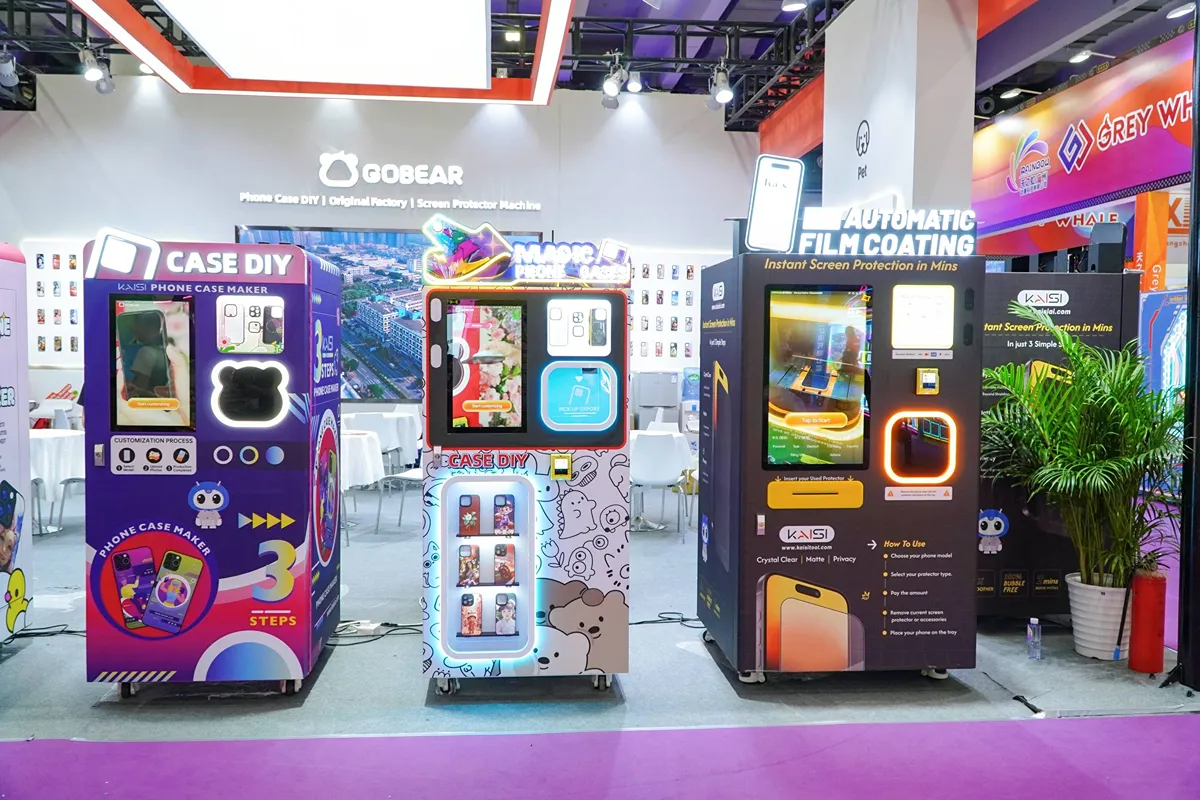
Is it free to put a vending machine anywhere? No. But if you have the right equipment, the cost of the location becomes an investment, not an expense.
Low-end machines have to beg for spots. High-end machines like GOBEAR are invited in. By offering a premium service with high ticket values, you can afford prime real estate and build a business that scales.
Contact us today for a profitability analysis, and let us show you how GOBEAR machines can unlock the best locations in your city.
Yes, almost always. Public sidewalks are government property. You would need a specific vendor permit from the city, which can be difficult and expensive to get. It is usually easier and more profitable to partner with private businesses, such as storefronts, to place machines just inside their property line.
Commission rates vary widely based on foot traffic and machine type. However, for high-end service machines like custom printing, you can often negotiate a flat rent instead, which is more profitable as your sales volume grows.
Often, yes. Apartment managers view vending machines as a resident perk. If you provide a sleek, modern machine that offers useful items such as chargers, screen protectors, or custom cases, they are likely to let you place it rent-free just to keep their tenants happy.
Don't just cold call. Visit locations in person. Look for places with "dwell time" like waiting rooms, laundromats, auto shops, or student lounges. These are places where people are stuck waiting and have time to design a phone case or browse products.
In almost all cases, the location host pays for the electricity. A modern vending machine is highly energy-efficient, which usually costs the host very little per month. Make sure this is stated in your contract so you don't get a surprise bill.
Tell us about your business goals, and our experts will provide a tailored solution and a detailed profitability report. Let's start building your new revenue stream together.